The RSA paid in 2027 is based on a regulatory framework that has significantly evolved since the law of December 18, 2023, for full employment. The flat-rate amount has been revalued, automatic registration with France Travail has been implemented, and activity obligations are distinct from eligibility conditions: several changes are concretely altering the journey of applicants. Here’s what to remember to prepare a file, anticipate delays, and avoid administrative blockages.
Automatic registration with France Travail: what changes for the entire household
Since January 1, 2025, registration with France Travail is automatic for all RSA beneficiaries, with no specific steps to take. This point is rarely detailed in standard guides, which focus on the amount or resource conditions.
This measure does not only concern the main applicant. The spouse, partner, or civil partner living in the same household is also automatically registered. They are informed by mail or email. In practice, this means that both adults in the household are subject to professional support obligations, even if only one of them initiated the RSA application.
To learn everything about RSA 2027 with A Vos Finances, the details of the obligations related to this registration deserve careful reading, as the consequences on the couple are often underestimated.
Eligibility conditions for RSA and activity obligation: two distinct legal regimes
A common confusion arises in online content: the 15 to 20 weekly hours of activity are sometimes presented as a condition for obtaining RSA. Legally, these activity hours fall under the obligation of insertion, not the eligibility criteria.
The eligibility conditions remain as follows:
- Be at least 25 years old (or under 25 as a single parent, under certain conditions)
- Reside in France in a stable and effective manner
- Have resources below the flat-rate amount of RSA for the household composition
- Not be a student, pupil, or unpaid intern (except for single parents)
The activity obligation comes into play after the rights are opened. It is part of the engagement contract signed with France Travail or the support organization designated by the department. A beneficiary can therefore receive RSA while negotiating the specific content of their engagement contract, including the hourly volume of activity.

RSA file: documents to provide and common pitfalls
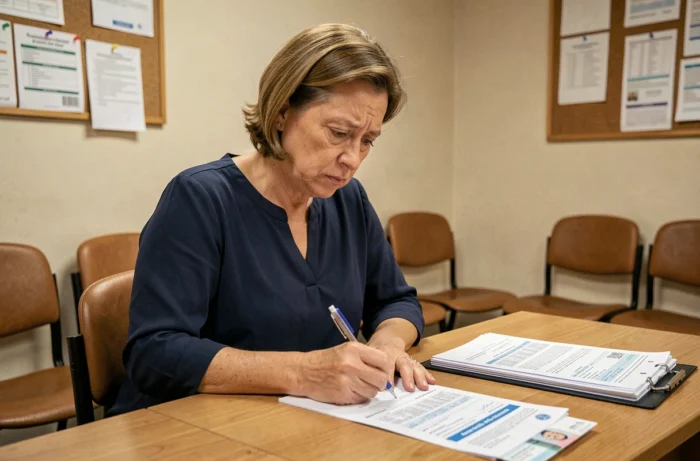
The RSA application is made to the CAF (or to the MSA for those affiliated with the agricultural scheme). Before starting, you need a valid email address. The required documents are relatively standardized, but some omissions can extend processing by several weeks.
List of supporting documents to prepare
- Valid identity document (national identity card, passport, or residence permit)
- Carte Vitale or proof of rights to health insurance
- Proof of resources for the last three months for the entire household (pay slips, France Travail certificates, alimony received)
- Bank identity statement in the applicant’s name
- Recent proof of residence or accommodation certificate
The point that most often causes delays concerns the resources of the spouse or civil partner. The CAF evaluates the household as a whole. Omitting the partner’s income leads to rejection or a request for additional documents, which delays the first payment.
For individuals of foreign nationality, the conditions vary depending on whether the applicant is a European national or not. A residence permit allowing work is generally required, and the duration of residence in France may be verified.
Amount of RSA in 2027 and date of the next revaluation
Since April 1, 2026, the flat-rate amount of RSA for a single person without children is 651.69 euros per month. This revaluation of 0.9% has added 5.17 euros to the previous amount. This flat rate remains in effect until April 2027, when the next increase will occur.
The amount varies depending on the household composition. For a couple without children, it is increased by about 50%. Each additional dependent child raises the flat rate according to a progressive scale. RSA is a differential amount: the CAF deducts declared resources from the applicable flat rate for the household and pays the difference.
Beneficiaries must declare their resources every quarter. Failing to submit a quarterly declaration suspends payment until regularization, with no guaranteed retroactive effect.
Processing times after submitting the file
The CAF does not communicate a uniform official deadline. Field reports indicate processing times ranging from two to six weeks depending on the departments and the completeness of the file. An incomplete file is systematically returned to the queue after receiving the missing documents.
The first payment occurs the month following the decision of allocation. The monthly payment date varies slightly depending on the CAF but is generally around the 5th of the month.
The distinction between access conditions and insertion obligations, the automatic registration of the spouse with France Travail, and the rigor of the quarterly file remain the three points where applicants most often stumble. Anticipating the supporting documents for the entire household before submission remains the most effective lever to shorten the time frame for opening rights.