
Digital platforms dedicated to well-being and healthy nutrition have been multiplying in recent years. Between mobile apps, editorial sites, and online support programs, the offerings have become so dense that they blur the lines. The French market now includes very different players: public institutions, start-ups specializing in personalized nutrition, and independent coaches offering hybrid formulas. Understanding what these platforms actually offer, and what they do not cover, requires looking beyond the promises displayed.
AI Coach and Human Coach on the Same Nutrition Platform
The most visible evolution in recent years concerns the integration of a constantly available AI coach alongside a certified human coach. Applications like Body By Belmars or Reboot combine personalized sports and nutrition plans, human supervision, and algorithmic assistance within a single interface.
This hybrid model addresses a known limitation of purely digital programs: the lack of human follow-up reduces long-term adherence. The AI manages immediate availability (meal suggestions, caloric adjustments, reminders), while the professional intervenes in complex decisions, adjustments related to a pathology, or moments of discouragement.
Field feedback on this point varies. Some users find the complementarity seamless, while others perceive redundancy between the recommendations of the human coach and those generated by the algorithm. The quality largely depends on how each platform articulates the two levels of support.
For those wishing to explore the content of a platform focused on well-being and balanced nutrition, it is possible to discover the site ananasetasanas.com and browse the various sections offered.
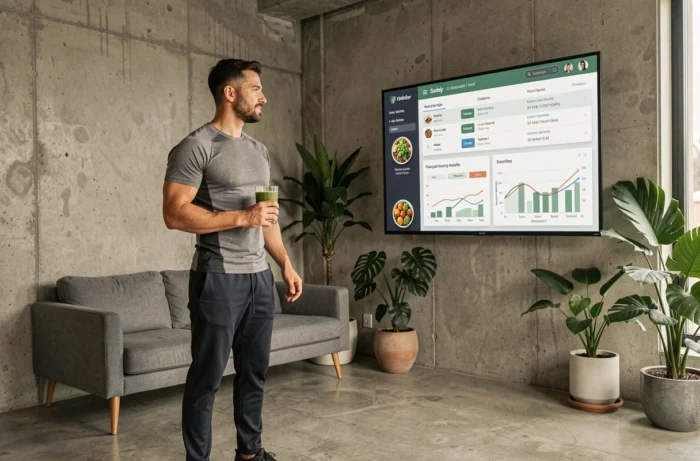
Freemium Model in Nutrition: What the Premium Subscription Changes
Most online nutrition platforms now operate on a freemium model with a premium subscription. The free version provides access to basic features: simplified food tracking, a few recipes, general advice. The subscription unlocks AI meal recognition, detailed macronutrient calculations, personalized meal plans, and sometimes teleconsultation with a dietitian.
The launch of the Amino Pro premium subscription by Boba Mint Holdings Ltd in August 2026 illustrates this trend. The Amino AI platform offers advanced metrics (calories, macros, nutritional indicators) reserved for subscribers while maintaining limited free access.
What the Free Version Generally Does Not Cover
- Fine personalization considering pathologies, intolerances, or specific sports goals, which requires more expensive algorithms to maintain
- Access to a health professional (dietitian, nutritionist) to validate or adapt the recommendations generated by the application
- Visual meal recognition features, which rely on AI models that are resource-intensive on servers
Upgrading to premium is not always justified for a user whose goal is limited to rebalancing their diet without any specific medical constraints. The free content of some platforms, combined with public recommendations like those from the National Nutrition Health Program, is sufficient in many cases.
Regulatory Limits of Online Well-Being Platforms
An online nutrition platform is not a medical device unless it has obtained a specific CE marking. This distinction has concrete consequences. In 2025, the Haute Autorité de Santé refused to reimburse a digital obesity therapy (Wellapy), despite a CE marking and a structured approach around nutrition and physical activity.
This refusal highlights a gap between digital offerings and institutional recognition. An application can offer a comprehensive program, validated by professionals, without entering the framework for reimbursement by Health Insurance. For the user, this means that the cost remains entirely their responsibility.
Personalized Nutrition and Responsibility
Platforms that generate personalized dietary recommendations via AI operate in a regulatory gray area. They do not make diagnoses, do not prescribe diets in the medical sense, but their suggestions directly influence eating behaviors. The boundary between editorial advice and care remains blurred in French law.
Some signals indicate that the framework could evolve. Dietary teleconsultation is gradually being structured, with practitioners using these platforms as support for follow-up between two appointments. However, no specific regulations yet govern nutritional recommendations generated by an algorithm without human supervision.

Criteria for Evaluating a Nutrition and Well-Being Platform
In the face of the diversity of offerings, a few markers allow distinguishing a reliable platform from a simple aggregator of recycled content.
- The identifiable presence of health professionals (qualified dietitians, nutritionists) in the design of programs, not just in marketing communication
- Transparency about the economic model: a platform that monetizes its user data or pushes white-label dietary supplements does not have the same interests as a subscription-based support service
- The possibility of cross-referencing recommendations with actual medical follow-up, especially for individuals suffering from eating disorders or chronic pathologies
- The quality of editorial content: cited sources, regular updates, and the absence of unrealistic promises are markers of seriousness
The segment of well-being and healthy nutrition platforms is still under construction. Economic models are being sought, regulations have not yet caught up with practices, and the boundary between health prevention and simple lifestyle applications remains porous. The informed user benefits from cross-referencing multiple sources, verifying the qualifications of the contributors, and considering these digital tools as a complement, not a substitute, to professional support.